
and other trivial matters
27 April – 8 June
Illusion and the conventions of realism have been intertwined in visual representation since the earliest surviving commentaries on art in the Western tradition—by Plato, Aristotle, Philostratus, and Pliny the Elder—and have held particular relevance to the production of still life at various points in its history. However, for all its tricks of the eye and verisimilitude, still life goes beyond simple representations of inanimate objects, reflecting—or quietly resisting—ideas of value, importance, and hierarchies in art and culture.
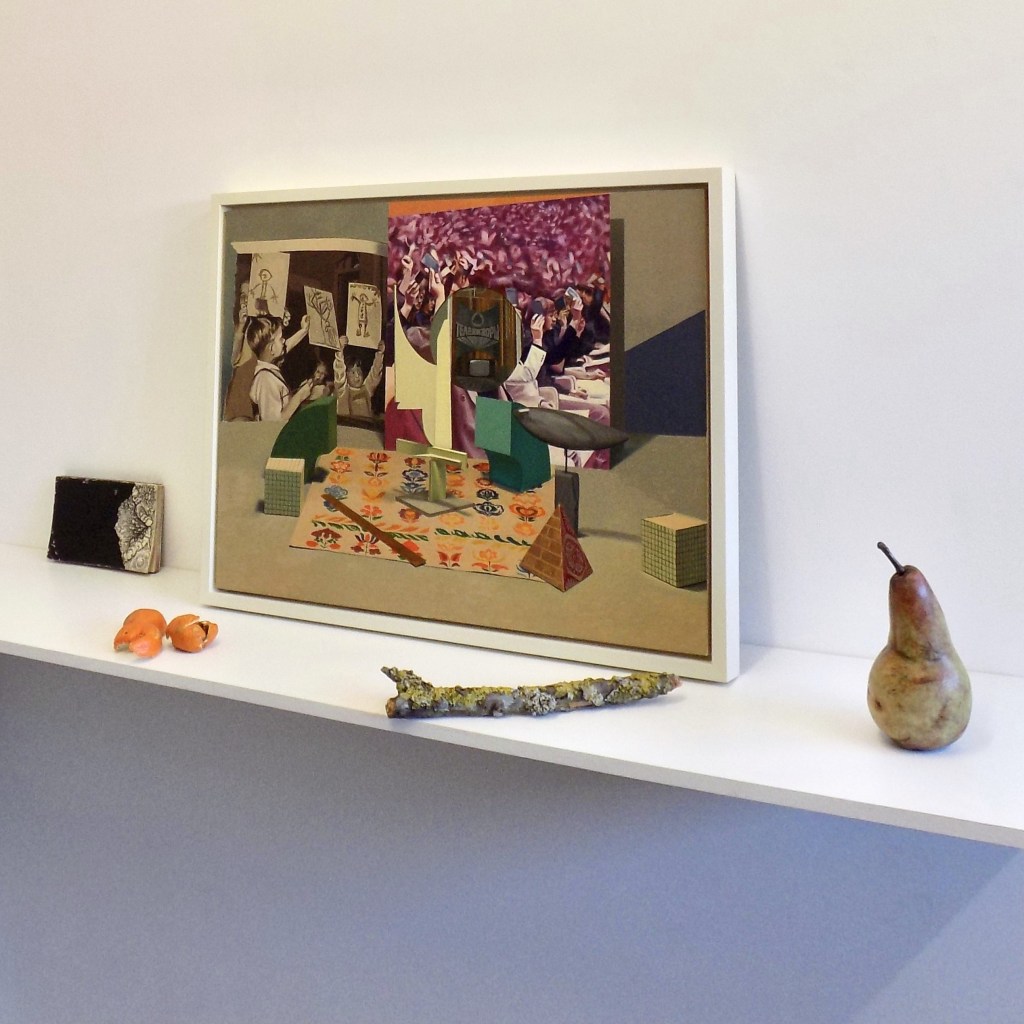
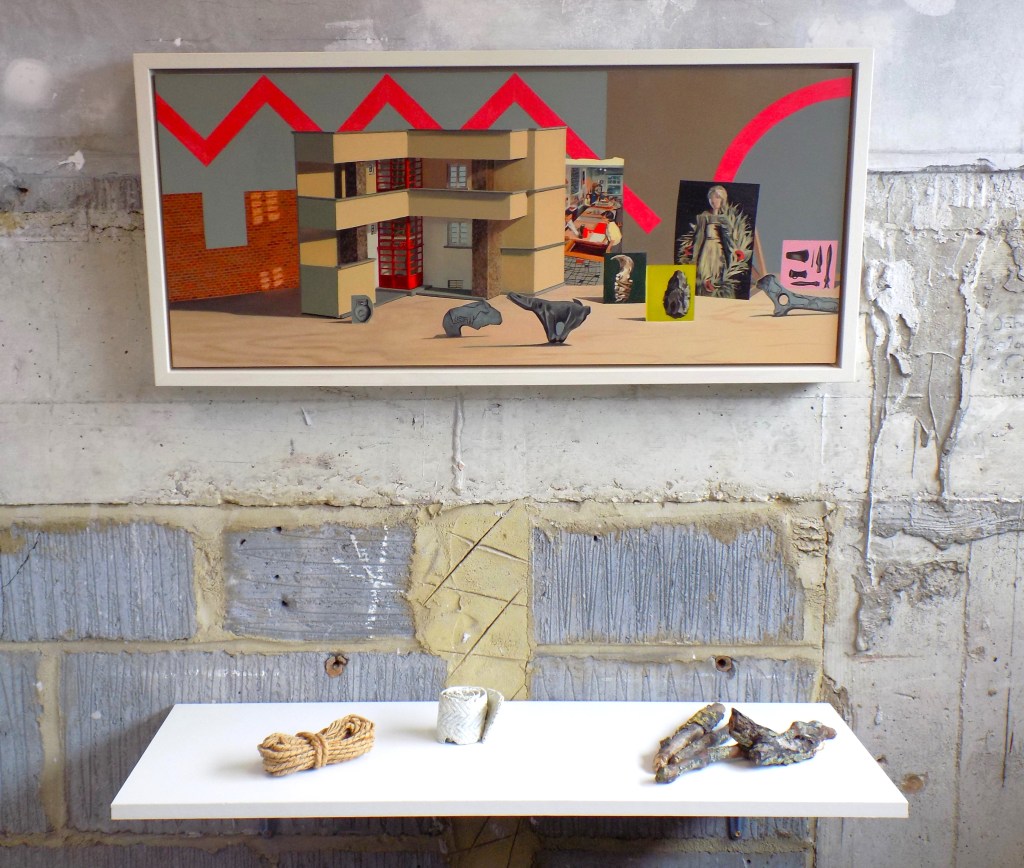
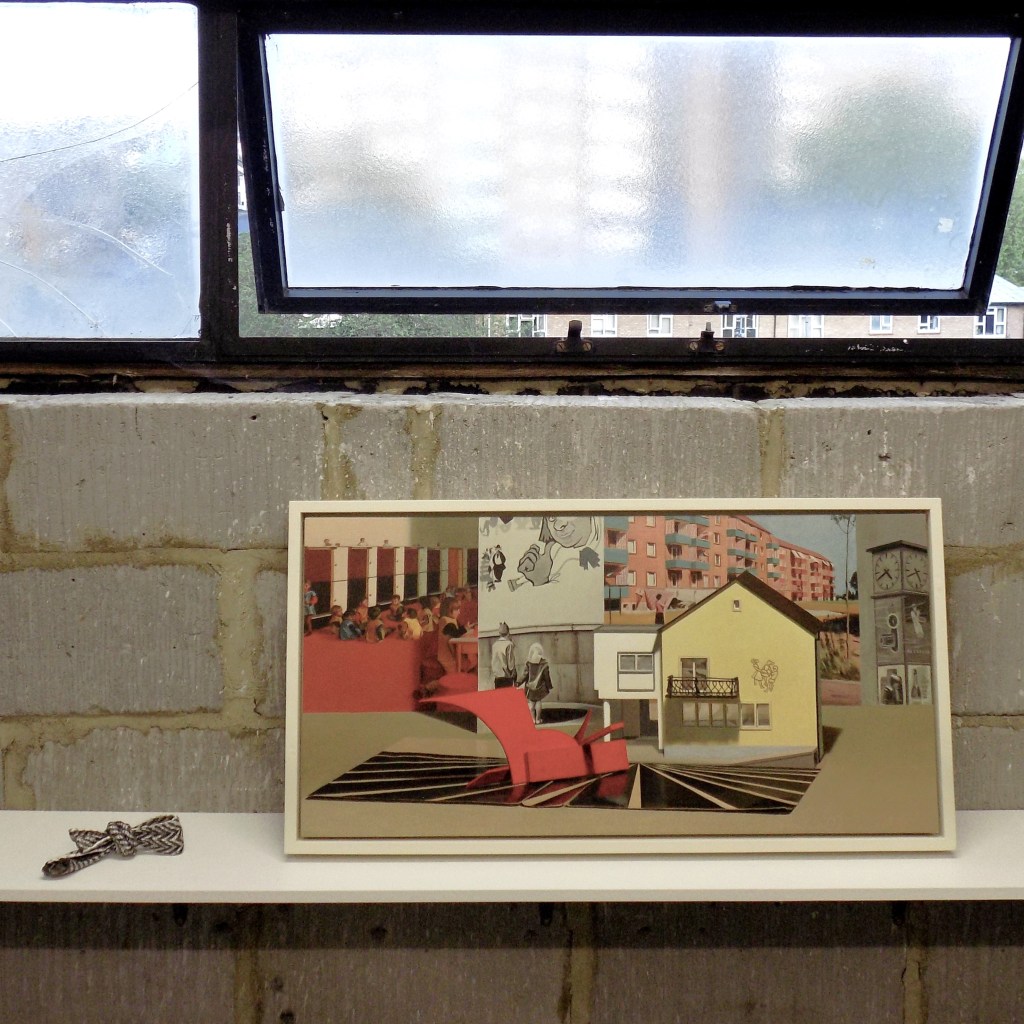
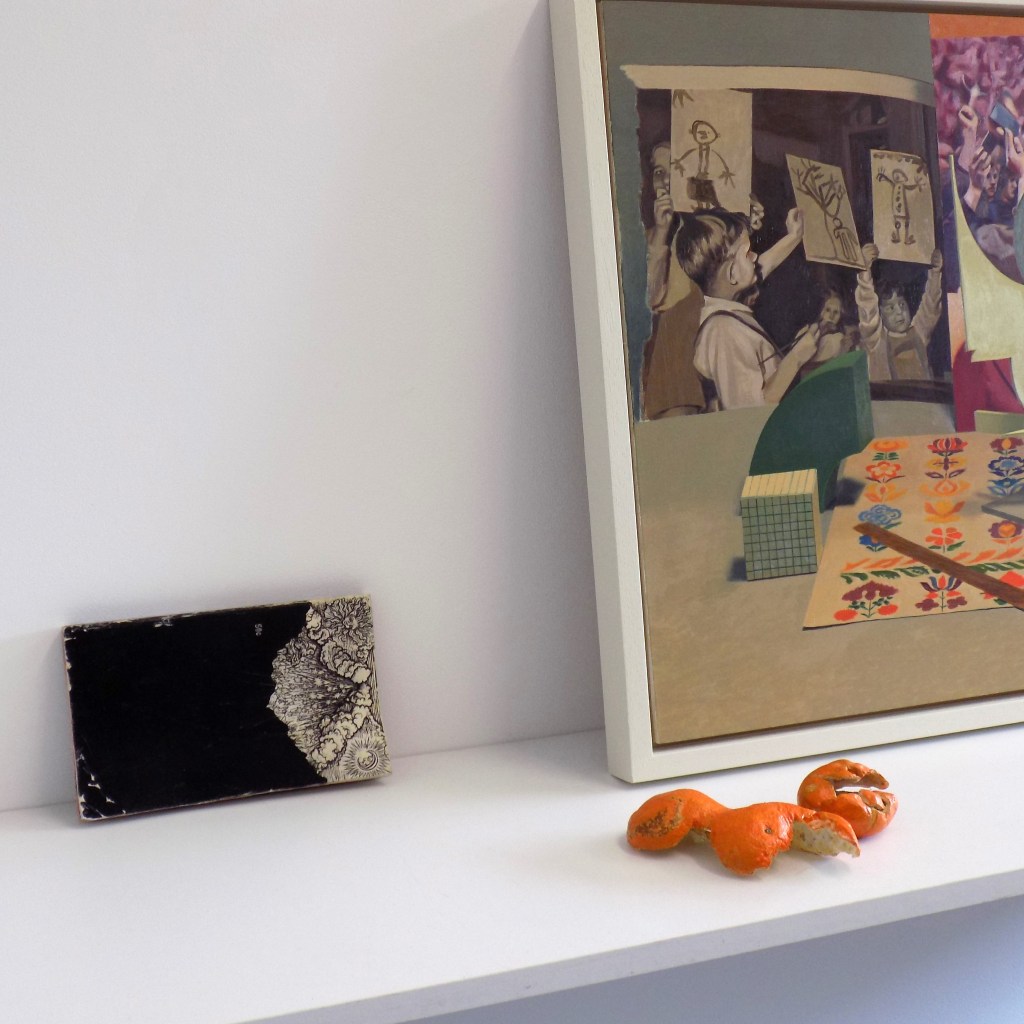
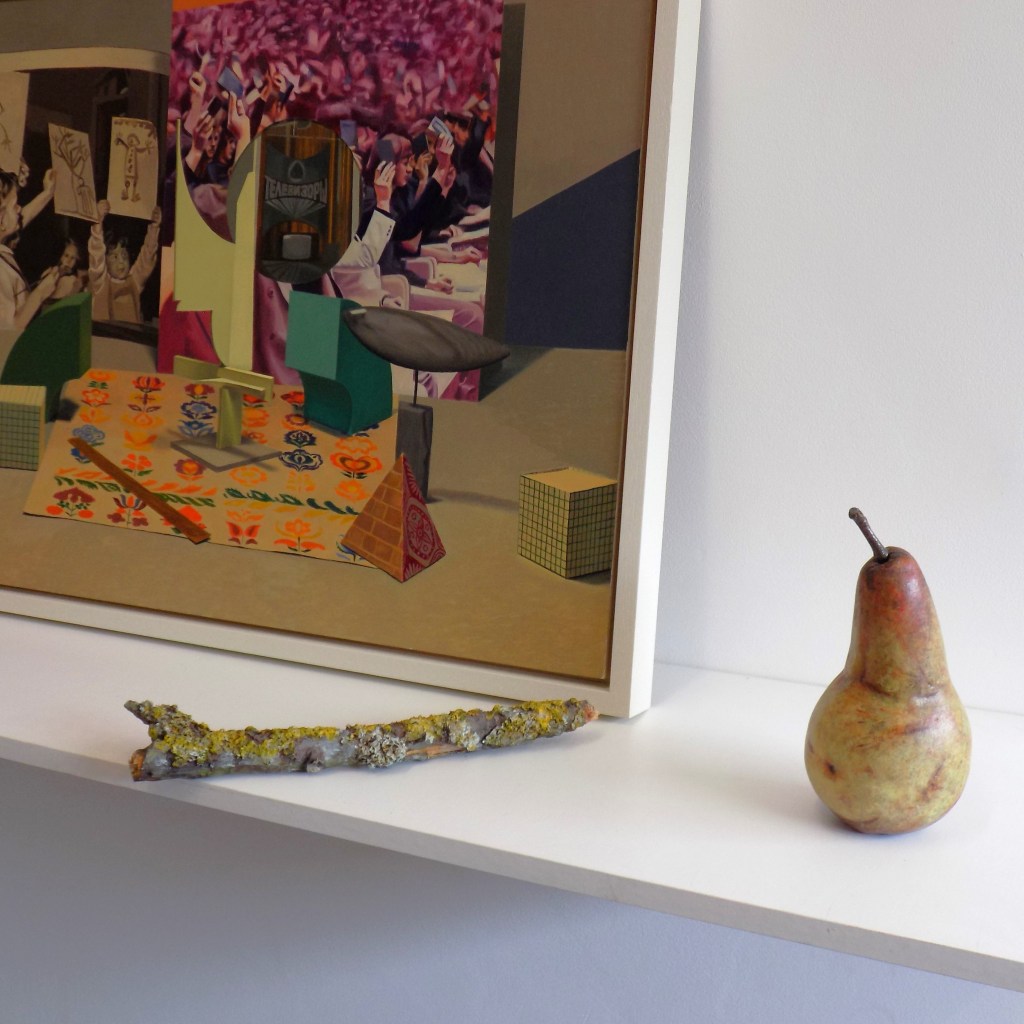
In this context, and other trivial matters brings together a selection of paintings and sculptures by Louise Bristow and Russell Webb that pay close attention to what might otherwise be overlooked, and elevate subjects that may not typically command significance or prestige: perishable fruit and vegetables, scraps of cloth, sticks, arrangements of magazine clippings and postcards, fragments of suburban architecture, and scenes of everyday human activities and ephemera. This modest and seemingly inconsequential subject matter belongs to the tradition of rhopography, quietly turning away from—or saying ‘so what?’ 1 to—the grander narratives and heroic gestures in art.
A striking absence in the work of Louise Bristow and Russell Webb is any sense of performative expression. There is no gestural mark-making, no visible brushstrokes, no ‘uncontrolled’ drips, nor any overt traces of the artist’s hand asserting itself on the surface. Their painted surfaces are to be seen through, rather than looked at, as both artists adopt a more distanced position that, to a large extent, withholds their authorship. In the exhibition, we encounter paintings that present pre-existing representations and objects that blur any certainty between the real and the represented, gently directing our attention towards the act of vision and the structures of representation, rather than any personal ‘vision’ of the artist.
This exhibition reflects the long-standing friendship and creative dialogue between Louise Bristow and Russell Webb, developed over many years of working in the same studio complex. This ongoing conversation subtly finds form in the exhibition’s structure, where their works are not rigidly separated or isolated, but arranged in dialogue with one another—sometimes placed in proximity, sometimes sitting together on shelves, as if forming part of a larger still life arrangement. Sculptures extend the worlds depicted in the paintings, appearing to overflow or gently slip beyond their frames, while the intimate placement of works suggests affinities rather than divisions.
1. Norman Bryson uses the phrase ‘so what?’ in his discussion of still life in Looking at the Overlooked to capture its pointed refusal of grand narrative.




 Gallery DODO